


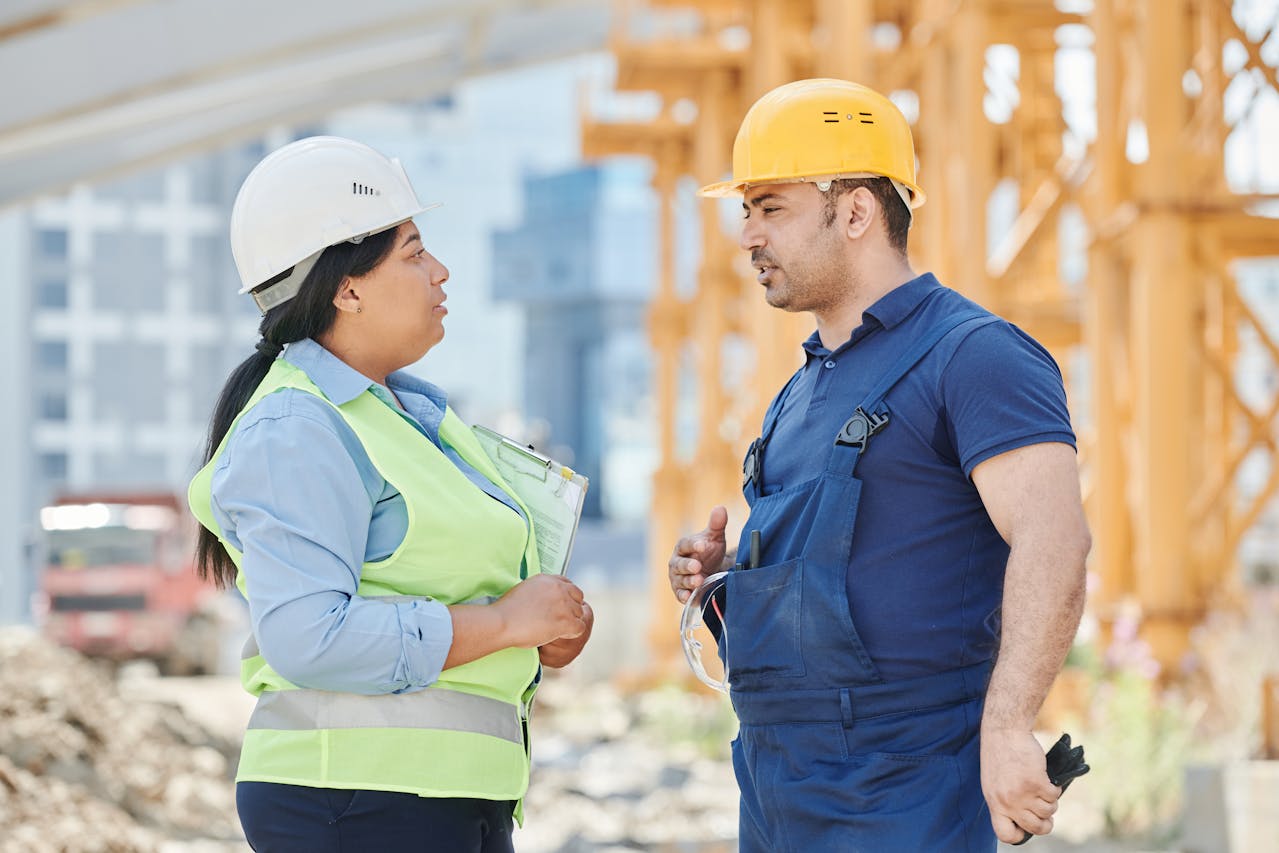



For over six decades, W. A. RANDOLPH, INC., has built its reputation on delivering commercial construction projects with precision and a commitment to quality that meets the highest industry standards. As a national leader in commercial construction, we understand how important it is for developers, clients, and stakeholders to distinguish between different construction approaches. No comparison is more foundational than that between modern construction methods and what many in the industry call traditional construction.
In the construction industry, the term “construction” can encompass a wide variety of delivery methods, strategies, and materials. Traditional construction often brings to mind long-standing practices rooted in sequential, on-site building processes. In contrast, modern construction techniques integrate advanced materials, greater coordination, and more streamlined workflows among design, planning, and execution teams. Knowing these differences helps real estate developers, institutional owners, and corporate clients make better decisions about how to execute their projects.
At W. A. RANDOLPH, INC., we believe that informed decisions begin with clarity on how project methodologies affect budget, timelines, and long-term performance. Below, we’ll explore how construction in today’s commercial environment differs from traditional practices and explain why the right method is essential to achieving project success.
What Traditional Construction Means
Traditional construction refers to a project delivery model in which the design and construction phases are treated as separate. An architect or engineer produces detailed plans, and contractors bid on executing those plans once they are complete. This approach has been a mainstay in the construction industry for generations and is grounded in well-defined phases that many owners understand and trust.
One of the core characteristics of traditional construction is its sequential workflow. Each phase must be completed before the next begins. While this method can clarify roles and responsibilities, it can also introduce coordination challenges and longer timelines because stakeholders engage at different stages of the project.
Traditional construction relies heavily on manual craftsmanship, skilled labor, and on-site problem-solving. This offers flexible control over customization and design decisions, but it may extend schedules and increase costs when changes occur later in the project.
The Evolution of Modern Construction
At the other end of the spectrum, modern construction methods emphasize integrated planning, advanced materials, and improved coordination across all phases of a project. Many contemporary projects leverage techniques such as modular components, prefabrication, and digital design tools to anticipate challenges before crews land on site.
Modern construction reduces uncertainty by streamlining communication between builders, owners, and designers. Instead of waiting until the end of design to solicit bids, integrated teams collaborate from project inception. This creates efficiencies that directly impact timelines, cost control, and quality assurance.
From the use of engineered materials such as steel and concrete composites to precision tools powered by computerized systems, today’s construction methods reflect a shift toward performance-oriented execution. These innovations are designed to deliver consistent quality and meet complex design objectives without sacrificing durability.
Key Differences Between Construction Approaches
The differences between modern construction and traditional construction extend beyond semantics. Owners should understand how each method affects project outcomes:
Project Timeline: Traditional construction’s sequential nature can lengthen schedules because each phase depends on the completion of the last. Modern construction techniques, especially those that use prefabricated elements, enable parallel workflows and faster project delivery.
Quality Control: Traditional methods depend heavily on the skills of individual craftsmen and local labor. Modern approaches use standardized materials and precision manufacturing to ensure consistency and compliance with stringent commercial construction standards.
Cost & Risk: Because traditional construction often involves extended timelines and change orders, budgets are vulnerable to cost escalation. Modern methods, with upfront coordination and shared accountability, often provide more predictable costs and fewer surprises during execution.
Design Flexibility: Traditional construction allows on-site adjustments and creativity tied to craftsmanship. Modern methods require detailed planning but make it easier to integrate complex systems and contemporary design features.
Why It Matters for Your Commercial Project
At W. A. RANDOLPH, INC., we personalize our construction solutions to meet the various requirements of every project. Whether your development demands cutting-edge techniques or benefits from a traditional approach to specific elements, our teams apply decades of disciplined execution and experience to deliver results that exceed expectations.
Choosing the right construction method is not just about tradition or efficiency. It’s about aligning project goals with delivery strategies that reduce risk, promote quality, and support long-term value. As one of the nation’s most respected commercial contractors, we bring the expertise and insight needed to guide clients through these decisions with confidence.
Whether your project calls for time-tested processes or innovative construction techniques, W. A. RANDOLPH, INC., is the partner you can rely on to translate vision into built reality. Ready to move forward with confidence? Contact our team today to discuss your commercial construction project and learn how our proven process can help you achieve your goals.